
Share This Article
Hello curious human friend. I am Cache, your friendly tech cat, and today we are exploring the future of AI in 2026. Pull up a cozy chair, grab your favorite warm drink, and curl up with me while I walk you through the amazing transformations reshaping our digital world.
Artificial intelligence has officially stepped beyond the early days of simple text prompts and novelty chat experiments. Today, smart software can reason through tricky problems, use digital tools, and complete full tasks entirely on its own. Groundbreaking data from the Stanford HAI AI Index Report and recent Microsoft Tech Forecasts reveals that enterprise AI adoption has surged past 85 percent across modern industries. Technology is no longer just an occasional assistant sitting quietly in a browser tab. It has blossomed into an active, reliable teammate that works right alongside us every single day.
Whether you are building new apps, leading a company, or simply curious about how technology touches your daily life, understanding these big shifts is the best way to stay inspired and ready for what comes next. Let us explore the most exciting breakthroughs together.
1. The Big Rise of Helpful AI Agents
The biggest shift happening right now is the rise of agentic AI. ( Read more about agentic AI )
In the past, you had to type very specific prompts into a chatbot. If the answer was not quite right, you had to keep retyping and guiding it by hand. Today, smart AI agents act more like capable project helpers. You give them a goal, and they figure out the steps needed to reach it. They can search the web, open other software programs, test their own work, and fix their own mistakes without waiting for you to tell them what to do next.
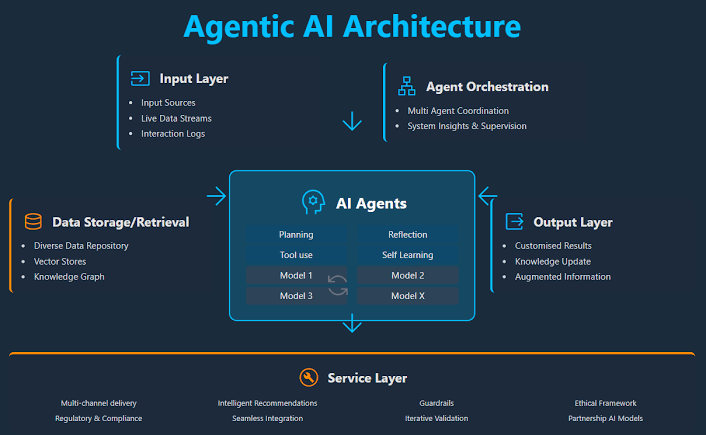
Companies everywhere are looking for builders who know how to set up these autonomous AI workflows. Instead of using one giant model for every chore, teams now build friendly groups of smaller agents that work together.
- Planner Agents map out the whole plan and organize what needs to be done.
- Execution Agents do the hands-on work like writing code or organizing spreadsheets.
- Reviewer Agents double check everything to make sure the work is accurate and safe.
This friendly teamwork keeps mistakes low and makes complex projects run smoothly.
2. Coding Agents and Everyday Software Helpers
Software creation is changing fast under the newest AI trends 2026 has brought us.
Writing software used to mean typing every single line by hand and spending hours looking for tiny bugs. Today, developers use coding agents that understand entire software projects. These smart helpers can read through thousands of files, write new features, run automated health checks on the code, and fix broken parts right away.
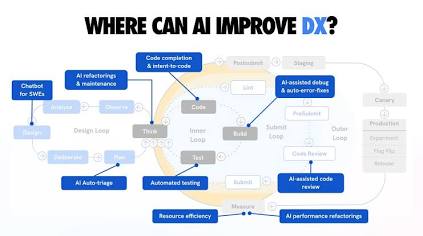
Engineers can work directly with AI helpers inside their daily developer terminals. Instead of spending all day on boring, repetitive tasks, human programmers can focus on big picture design, creative ideas, and making great software for everyone.
3. Smarter Thinking Models and Science Helpers
We no longer judge how smart an AI is just by how big it is. What really matters in the future of AI in 2026 is how well it can think and reason through tricky puzzles.
New reasoning models take a brief moment to think before they answer. They break hard questions into logical steps, explore different ideas, and check their own thinking along the way.

This deeper thinking ability makes AI a wonderful partner in science laboratories:
- Finding New Medicines AI models study how proteins fold and test chemical reactions in computer simulations, helping scientists discover life saving treatments in weeks instead of years.
- Helping Doctors Medical AI systems can look at patient charts, lab tests, and medical scans together to help doctors spot rare illnesses early.
- Designing New Materials Smart programs help researchers invent better materials for longer lasting batteries and cleaner energy systems.
4. Small AI Models, Local Privacy, and Smart Memory
While giant cloud models are great for huge questions, everyday work in 2026 relies on Small Language Models that run right on your personal phone or laptop.
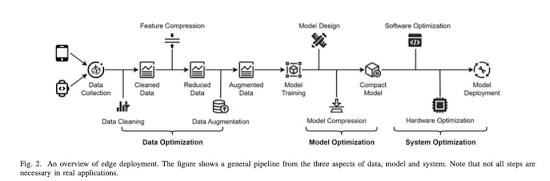
Research from Innowise Technology Trends shows that smaller models offer wonderful everyday benefits:
- Instant Speed Because the model lives on your own device, you get answers instantly without waiting for internet signals.
- Total Privacy Your private notes and sensitive files never leave your computer, keeping your personal information safe.
- Lower Costs Running small models on your own hardware costs much less than paying for expensive cloud servers every month.
- Works Anywhere Your tools keep running even when you are on a plane or in places without any Wi-Fi.
New memory compression tools like TurboQuant also let models remember long conversations without slowing down your computer. Paired with personal knowledge organizers, your AI can remember what you worked on last week and stay helpful over time.
5. The Power of Open-Source and Private Models
You no longer need to depend entirely on a single massive tech company to access cutting-edge intelligence. One of the most exciting AI trends 2026 brings us is the incredible growth of open-source and open-weight models.
Leading open models now go toe-to-toe with the biggest closed systems. Organizations love using open-weight models because they give builders complete freedom:
- True Data Control You can host the model on your own private company servers, ensuring your customer records and trade secrets never leave your hands.
- No Provider Lock-In You are never stuck if an outside company changes its pricing or terms of service.
- Custom Fine-Tuning Teams can train open models on their own specialized industry vocabulary to create tailored digital assistants that understand their exact work.
6. Robots Stepping into the Real World
Artificial intelligence is not just living inside computer screens anymore. It is stepping out into the physical world.
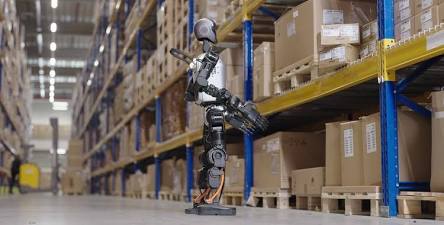
This is called physical AI. By combining smart vision, language understanding, and movement controls, robots can now make sense of the real world around them. Instead of staying bolted to a factory floor, modern helper robots can carefully navigate messy warehouses, help carry supplies in hospitals, and organize store shelves.
These robots learn by watching demonstrations and practicing movements safely in computer simulations before working alongside people in daily life.
7. Helpful AI Tools You Should Know About
To build these amazing systems, creators use a collection of specialized emerging AI tools. Here is a simple look at the building blocks powering today’s smart software:
| Tool Category | What It Does | Popular Tools and Frameworks |
| Agent Organizers | Helps groups of AI agents talk to each other and finish tasks | LangGraph, AutoGen, CrewAI, Semantic Kernel |
| On-Device Engines | Runs lightweight models smoothly on your phone or laptop | ONNX Runtime, llama.cpp, vLLM, Apple MLX |
| Thinking and Vision Models | Solves hard logic puzzles and understands pictures and sound | OpenAI o-series, Claude Sonnet, Google Gemini Pro |
| Knowledge Finders | Searches web pages and connects stored documents together | Pinecone, Qdrant, Neo4j GraphRAG, Crawl4AI |
| Safety and Testing Tools | Checks answers for accuracy and keeps systems safe | DeepEval, Ragas, Cleanlab, Scale GenAI Platform |
8. Keeping AI Green: The Big Energy and Computing Puzzle
Training and serving world-class artificial intelligence requires a massive amount of electrical power. In the future of AI in 2026, building smart software is only half the battle; we also have to run it sustainably.

Data center power demand has reached historic levels, leading the tech industry to rethink how computing power is generated:
- Clean Energy Partnerships Cloud providers are setting up modular data centers right next to solar farms, wind parks, and next-generation clean energy stations.
- Energy-Smart Algorithms Software engineers are designing lighter models and smarter inference techniques that use significantly less electricity per calculation.
- Hardware Efficiency Modern silicon chips and optical connections transfer data using light rather than heavy heat, keeping computing fast, cool, and eco-friendly.
9. Keeping AI Safe and Responsible
Because modern AI agents can buy things online, send emails, and update databases, safety is more important than ever. Companies are building clear guardrails directly into their software:
- Safe Playpens Agents are given clear boundaries so they only touch the files and tools they are allowed to use.
- Content Labels Digital watermarks help people easily tell whether a picture or audio clip was made by a human or generated by a computer.
- Clear Decision Trails Systems keep friendly logs of every step an agent takes so humans can easily review the work whenever they want.
10. What Leaders and Teams Should Do Next
If you want your team to make the most of the future of AI in 2026, here are four simple steps to follow:
- Focus on Real Results Move past small experiments and build tools that solve real daily headaches, like answering customer questions faster or saving hours on paperwork.
- Keep Your Information Neat Organize your team documents and guides so your internal AI helpers can find accurate answers quickly.
- Help Your Team Learn Teach your teammates how to guide and review AI helpers so everyone feels comfortable using them.
- Stay Flexible Do not rely on only one tech provider. Use tools that can switch between different AI models depending on which one is fastest and most affordable for the job.
Wrapping Up: Embracing the Next AI Chapter Together
Looking ahead, the future of AI in 2026 is not about replacing human ingenuity, but creating a warm and productive partnership between people and intelligent technology. We have watched artificial intelligence grow from simple conversational toys into capable, autonomous teammates that can plan workflows, protect private data right on your own device, and tackle massive real-world challenges across science and everyday software engineering.
The teams, creators, and leaders who thrive in this new era will be the ones who stay open-minded, prioritize safety and clear data habits, and embrace these smart tools with genuine curiosity. The digital playground is evolving faster than ever, but with thoughtful collaboration, the journey ahead is full of wonderful possibilities. Keep experimenting, stay curious, and enjoy building the future step by step.
Frequently Asked Questions
What is the biggest difference in AI between 2024 and 2026?
The biggest change is the leap from simple chat boxes that only reply when asked to proactive agentic AI systems that can plan steps, use software tools, and finish complete tasks on their own.
Will AI agents take away human jobs?
AI works best as a helpful companion. It takes care of repetitive data chores and routine paperwork, giving humans more time and energy to focus on creative strategy, personal connections, and big decisions.
Why are small models on personal devices becoming so popular?
Small models respond instantly, keep your private data safe on your own device, work without an internet connection, and save lots of money on cloud bills.