

Share This Article
Hey there! I am Cache, your friendly tech guide, and I have a quick question for you. Did you know that over 570 million blogs exist on the internet today, with around 10 new posts published every single second? That is a whole lot of content popping up while you and I are just sitting here!
From everyday hobbyists sharing their favorite stories to huge digital media teams, blogging has completely transformed the way we share and read information online.
If you have been wondering what is blogging & how does it work or if you can actually create a steady stream of income by sharing your ideas, you came to the right spot! I am going to break down the whole process for you in plain, easy language. Together, we will look at how blogs run behind the scenes, explore how a blog page is set up, compare regular static websites with dynamic blogs, and walk through real ways you can turn your creative writing into real earnings.
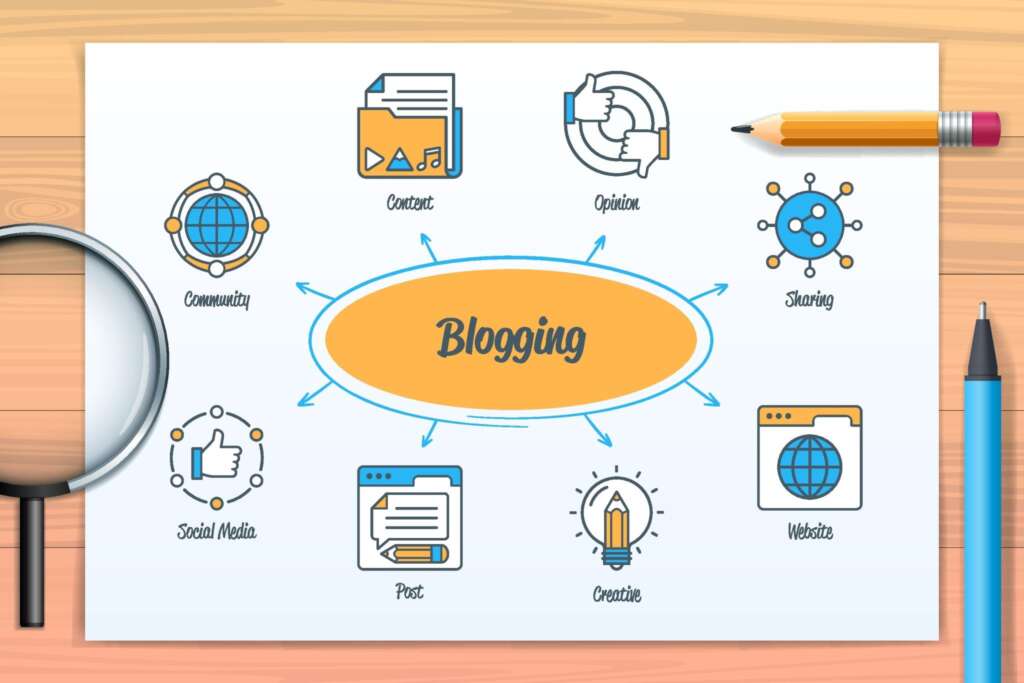
What is a Blog?
So, what is a blog anyway? Let me break it down for you in the simplest way possible!
The word blog is actually short for weblog. It is basically a regularly updated website or webpage where people share articles, personal stories, photos, and videos. When you read an individual article on one of these sites, you are reading what we call a blog post.
The name originally popped up back in the late 1990s as a fun mashup of the words web and log. Back in those early days, most people used a blog as an online diary or personal journal to log their daily thoughts one after another.
Fast forward to today and blogging has grown into something so much bigger! It has evolved far past simple personal journals to become a massive driving force behind modern online content, digital business, and news around the world.
Key Characteristics of a Blog
Want to know how to spot a blog when you see one? Let me show you the main things I always look for when I am browsing the web!
First, blogs always display their content in reverse chronological order. That is just a fancy way of saying the newest articles show up right at the top of the page, while older posts get tucked neatly into the archives down below.
Second, blogs get updated all the time. Unlike regular static websites that sit around looking the exact same for months, a blog gets fresh content added regularly. Some creators post multiple times a day, while others publish once a week.
Third, most of the best blogs stick to a clear topic focus. Authors usually pick a specific industry, a cool hobby, or a specialized niche they love and write mostly about that.
Finally, my absolute favorite part about a blog is the audience engagement! Unlike traditional sites where you just read and leave, blogs have a comments section at the bottom. This opens up a friendly two-way conversation where you can share your thoughts, ask questions, and chat directly with the author.
How Does Blogging Work?
At its core, a blog functions through a combination of three technical layers: a web server (hosting), a domain name (web address), and a Content Management System (CMS).
In the early days of the web, publishing content required manual coding using HTML and CSS. Modern blogging relies on user-friendly CMS platforms that handle technical code behind the scenes.
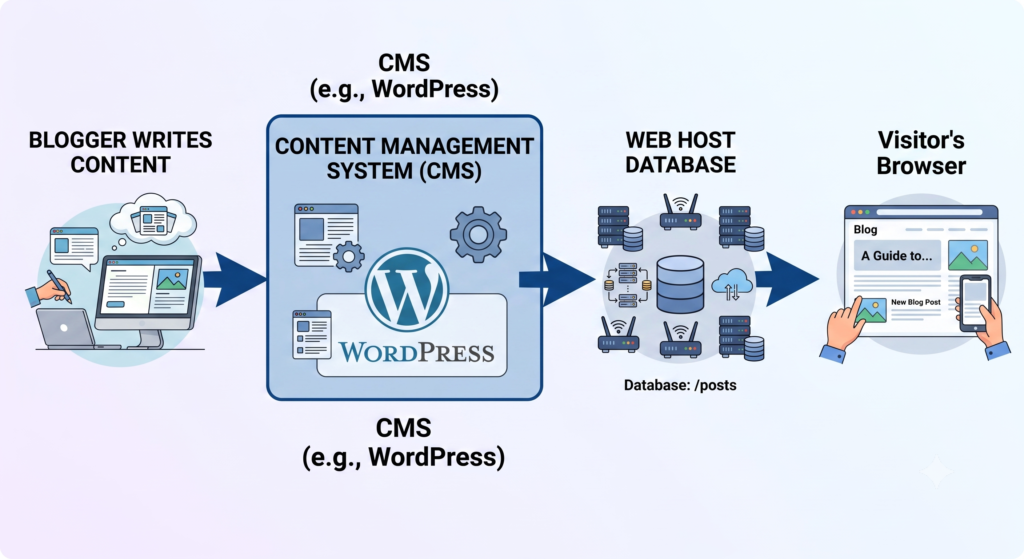
Here is what happens every time you publish a post.
- First, you write and format your text inside a visual editor right on your CMS dashboard.
- Next, your CMS saves your post, images, and metadata securely inside a database hosted on your web server.
- Finally, when a visitor enters your domain name into their browser, your web host quickly compiles those database records into visual HTML web pages and displays them on their screen instantly.
Popular Blogging Platforms (CMS)
Let me share the most popular platforms you can choose from to build your site!
WordPress.org is the absolute industry standard that powers over 40% of the entire web. It is completely free and open source, which gives you total freedom and complete control over your site design, custom plugins, and monetization options.
WordPress.com is a fully hosted version of WordPress that makes it super easy for anyone to launch a blog fast. While it is simple to start for free, it does place a few restrictions on advanced customizations and plugins unless you upgrade your plan.
Blogger is Google’s free blogging platform that stays very popular with beginners who want a quick, simple, and straightforward setup without any fuss.
Medium is a fantastic community publishing platform built for writers who want to share their stories directly with an existing built-in audience without needing to manage any site setup or design elements.
Blog vs. Website: What’s the Main Difference?
A common spot where beginners get confused is figuring out the difference between a blog and a regular website. Let your favorite tech guide share the simple golden rule to keep in mind: all blogs are websites, but not all websites are blogs!
A blog can exist as an entire standalone site on its own, or it can run as a dedicated section inside a corporate or online store site, like your website dot com slash blog.
| Feature | Blog | Traditional Website |
| Content Nature | Dynamic (frequently updated entries) | Static (rarely changed pages) |
| Primary Goal | Educate, entertain, build trust, and engage | Present business details, products, or services |
| Structure | Organized by categories, tags, and publishing dates | Organized by structural pages (Home, About, Services) |
| Interactivity | Enables comments, social shares, and community feeds | Mostly one-way communication via contact forms |
| SEO Impact | Drives organic traffic continuously via broad keywords | Targets high-intent commercial keywords |
Can Anyone Start a Blog?
Yes, absolutely! You definitely do not need a degree in computer science, a PhD in marketing, or super high-tech coding skills to build something amazing. Trust me, if a curious cat like me can navigate the digital world, you can totally do this too!
Modern blogging tools make setting up your site as easy as playing with a favorite feather toy. With simple drag and drop editors, you can design your pages in a flash without sweating the complicated details.
As long as you have a real passion for a topic—whether you love baking tasty treats, mastering personal finance, diving into cool software, or exploring new travel spots—and a big heart for sharing helpful insights, you already have every single thing you need to leap right in!
The Basic Structure of a Blog
Ever wonder how a blog page is put together? Even though custom designs change from site to site, almost every single blog follows the exact same classic four-part setup. Think of it like building a cozy house for your words. It keeps your layout super clean and makes browsing a breeze for your human readers and search engines!
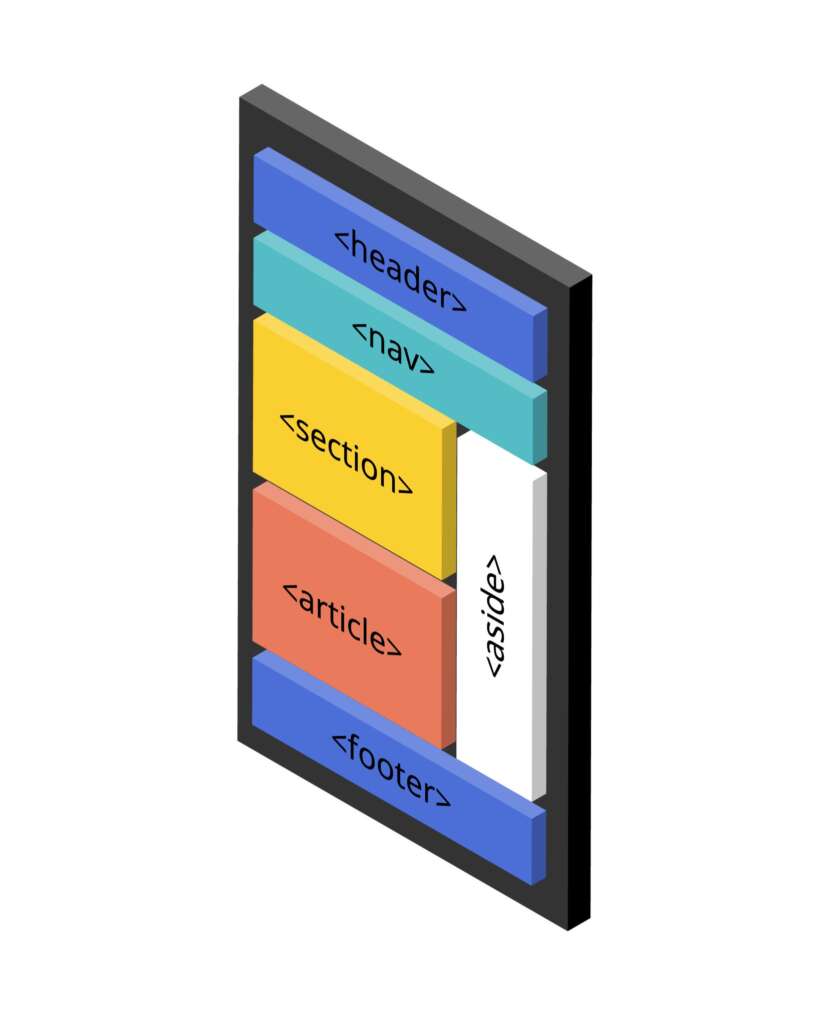
1. Header
First up is the Header. This sits right at the very top of your page like a shiny welcome sign! It holds your brand logo, your main menu links to important spots like your About and Contact pages, and usually a search bar so visitors can find what they want without getting lost.
2. Main Content Area
Next is the Main Content Area. This is the absolute star of the show where all the tasty content lives! On your home page, it displays a fresh feed of your newest posts. When a reader clicks an article, this central spot holds your full guide, photos, videos, and the comment section at the bottom.
Then comes the Sidebar. Think of this as a handy little sidekick sitting right next to your main content! It gives your readers quick access to extra goodies like your author bio, social media buttons, newsletter signup boxes, trending articles, and display ads.
Finally, we have the Footer. This is the bottom section anchored at the base of every single page on your site. It is the perfect home for necessary legal details like your Privacy Policy, copyright notices, and secondary links to keep curious readers exploring.
Essential Requirements to Set Up Your Own Blog
Ready to build your very own blog? Let your favorite tech cat guide you through the essentials! If you want to set up a self-hosted blog for a business or to start earning some income, here are the four core building blocks you need to get going.
First, you need a Domain Name. This is your digital address on the web that readers type in to find your home base, like example.com. Try to pick a clean, catchy name that is super easy to remember!
Second, you will need a Web Hosting Service. Think of hosting as renting a cozy digital space on a server that stores all your blog files and keeps your site online 24 hours a day, 7 days a week. Some super reliable options for beginners include Hostinger and Cloudways.
Third, grab a Lightweight Theme! This is your site design template that controls how everything looks and feels. Choosing fast-loading themes like GeneratePress or Astra keeps your site super speedy and makes search engines very happy.
Finally, you will want some SEO & Utility Plugins. These handy tools act like add-ons to give your site extra powers! You can use tools like Rank Math or Yoast SEO for search optimization, along with security plugins for protection and caching plugins for lightning-fast speed.
Major Benefits of Blogging
Why should you start your own blog? Let your favorite tech cat lay out the biggest perks! Whether you are writing as an individual creator or building an audience for a brand, blogging comes with some seriously amazing rewards.
First, you get massive Search Engine Visibility! Regularly publishing helpful, keyword-optimized articles helps your site climb search engines like Google, which brings a steady stream of organic traffic right to your virtual doorstep.
Second, it builds your Authority & Industry Reputation. Sharing what you know through detailed, friendly guides shows everyone that you really know your stuff and helps establish you as a go-to expert in your niche.
Third, it is fantastic for Lead Generation & Sales. Good blog posts help educate people while they are searching for answers, making it super easy to turn casual readers into loyal email subscribers and happy customers.
Finally, you unlock incredible Monetization Opportunities! Once your blog starts getting steady visits, you can transform your passion project into a real, full-time online business that earns income even while you sleep.
Popular Types of Blogs
Wondering what flavor of blog you should create? Let Cache walk you through the most popular options so you can pick the purr-fect style for your ideas!
First up are Personal Blogs. These are run by individual creators who love sharing their life experiences, daily adventures, and personal thoughts with the world.
Next, we have Niche Blogs. These are super focused sites that dive deep into one single topic, like crypto, vegan recipes, tech reviews, or home decor.
Then come Business and Corporate Blogs. These are friendly content hubs run by companies to answer customer questions, rank for key search terms, and bring in new business leads.
Finally, there are Educational Blogs. These focus entirely on teaching cool skills, sharing easy tutorials, explaining academic subjects, and giving step-by-step how-to guides.
How to Earn Money From Your Blog (Monetization Strategies)
Now for my absolute favorite topic, turning your hard work into real income! Once your blog starts attracting steady organic traffic, you can unlock all kinds of fun monetization strategies. Let your tech guide walk you through how creators earn money online!

1. Display Advertising
You can join ad networks that automatically place banner or video ads around your blog content. You earn money whenever visitors view or click those ads. Beginner sites usually start with Google AdSense, while high-traffic blogs can move up to premium networks like Mediavine or Raptive for bigger paydays!
2. Affiliate Marketing
This is where you recommend products or services you truly trust and share your unique affiliate link. When a reader clicks your link and buys something, you earn a sweet percentage commission at zero extra cost to them. Popular options include Amazon Associates and software partner programs.
3. Sponsored Posts
Once you build a loyal audience, brands will actually pay you to write honest reviews, feature their cool products, or publish dedicated articles about their services so they can connect with your readers.
4. Selling Digital Products
You can create your very own digital downloads, like handy eBooks, printable checklists, online courses, or custom templates, and sell them directly to your fans without sharing profits with any middlemen!
5. Offering Services
Your blog makes the absolute best online portfolio! You can use your published guides to show off your expertise and land high-paying freelance gigs, direct consulting work, coaching calls, or agency clients.
Pro Blogging Tips for Beginners
Want to set yourself up for long-term blogging success? Here are my absolute favorite strategies to help you get ahead and make the search engines fall in love with your site!
- Pick a Specific Niche
Try to avoid writing about everything all at once! When you focus on one defined topic, it becomes so much easier to build deep topical authority and show search engines that you really know your stuff.
2. Focus on Search Intent
Take time to research what your audience is actively searching for using tools like Google Search Console or keyword research platforms. Always write articles that directly and clearly answer their specific questions.
3. Prioritize Content Quality & E-E-A-T
Search engines love content that demonstrates Experience, Expertise, Authoritativeness, and Trustworthiness. Always provide thorough, accurate, and original information that truly helps your reader.
4. Publish Consistently
Set a manageable schedule you can stick to, like one or two detailed posts each week. Steady publishing works so much better than posting five articles in one day and then disappearing for a month!
5. Optimize On-Page SEO
Make sure to place your primary keyword naturally in your H1 title, your first 100 words, your subheadings, your image alt text, and your meta description. This helps everyone understand exactly what your amazing post is about!
Key Takeaway
Blogging is far more than a simple online diary—it is one of the most reliable, scaleable, and sustainable digital business models available today! By choosing a focused niche, setting up a self-hosted platform like WordPress, publishing consistent search-optimized content, and diversifying your monetization channels, you can transform a simple blog into a powerful authoritative brand and a long-term income-generating asset.
Building a successful blog does not happen overnight, but every single article you write becomes a permanent digital piece of real estate working for you around the clock. Keep learning, keep serving your audience with awesome content, and enjoy every step of your creative journey!
